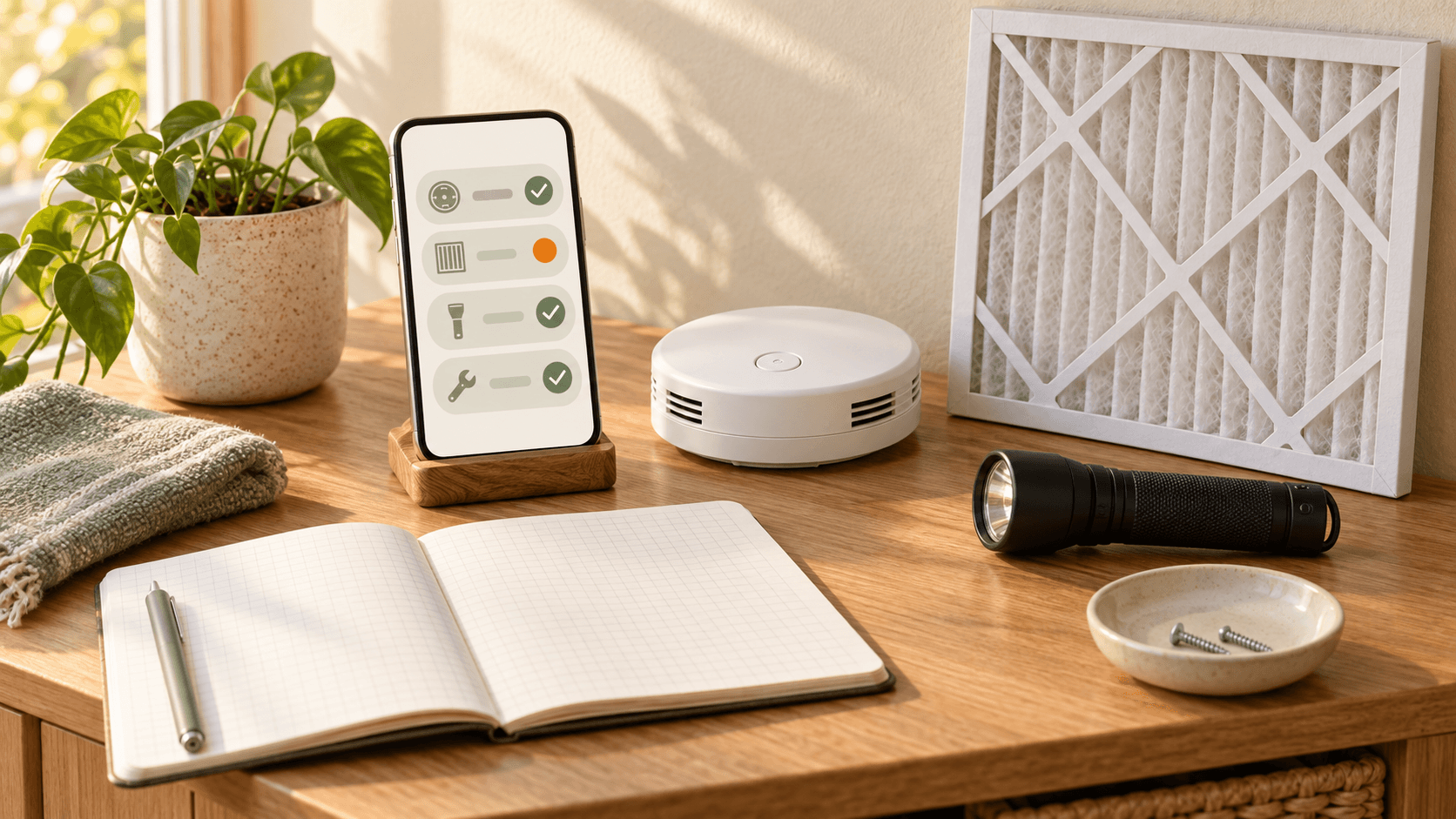
Habit Tracker for Office Workers: Build Workday Routines
A habit tracker for office workers should not feel like one more admin system. It should help you notice the small workday behaviors that are easy to postpone when meetings, messages, and desk time take over.
Office routines fail differently from home routines. You may know exactly what would help: standing between calls, drinking water before coffee refills, resetting your desk, taking a screen break, or shutting work down on time. The problem is that the office day has strong defaults. If your calendar is full, your inbox is noisy, and your chair is comfortable enough to forget your body, good intentions disappear into the workday.
A useful tracker gives those intentions a visible place to land. It turns vague goals like move more or focus better into tiny check-ins you can actually repeat.
Why office habits need a different setup
Office workers often deal with a mix of sitting, screens, interruptions, shared spaces, and social friction. That means a tracker has to fit around meetings, commute timing, lunch breaks, and unpredictable priority changes.
The goal is not to track everything. It is to choose the few routines that protect your energy and make the workday easier to recover from.
Good office habits usually fall into five buckets:
Movement breaks that interrupt long sitting blocks
Screen and eye breaks between focused computer sessions
Meeting resets so one call does not spill into the next
Focus blocks for important work before the day fragments
Shutdown routines that make tomorrow easier
Progress becomes easier to manage when you can see it. A meta-analysis on progress monitoring and goal attainment found that tracking progress is associated with better goal achievement, especially when progress is recorded or reported. For office workers, that does not mean building a complicated dashboard. It means making the next healthy workday action easier to notice.
Pick habits that match the workday rhythm
Start with the actual rhythm of your office day. Do not copy a wellness checklist that assumes every day is open and flexible.
If your mornings are quiet, track one deep-work habit before meetings begin. If your calendar is packed, track a two-minute reset after each call. If afternoons disappear into low energy, track a walk, water refill, or screen break before the slump starts.
Useful office-worker habits include:
Start the day by choosing one priority task
Stand or walk after long meetings
Refill water before a second coffee
Look away from the screen during focus blocks
Clear the desk before leaving
Write tomorrow's first task before shutdown
Take lunch away from the keyboard
Do one small admin batch instead of checking messages all day
The best habit is usually not the most ambitious one. It is the one that removes a predictable workday bottleneck.
Build a movement-break tracker
For many office workers, the biggest missed habit is movement. A full workout is useful, but it does not replace the need to break up long static blocks during the day.
The CDC's adult activity guidance encourages adults to move more and sit less, noting that some activity is better than none. For office routines, that makes short movement habits worth tracking because they are realistic inside a workday.
Try tracking one of these:
Five-minute walk after lunch
Stand during one phone call
Stretch after two long meetings
Take the stairs once
Walk to refill water
Do a quick posture reset before afternoon work
Do not track movement as a vague daily promise. Attach it to a reliable cue: after the 10 a.m. meeting, after lunch, before the afternoon focus block, or when you return from the restroom.
A good tracker can make the cue visible. If you use Kabit, create a habit like Walk after lunch or Stand after meetings, then set it for the weekdays when the office pattern actually applies.
Use short breaks before discomfort builds
Office habits are not only about productivity. They also protect comfort. Long computer sessions can create strain even when the workstation is set up well.
OSHA's computer workstation guidance on work process and recognition recommends short rest pauses for highly repetitive tasks or long static posture, including standing, stretching, moving around, and looking away from the screen. The practical takeaway is simple: do not wait until discomfort is loud before you pause.
A tracker can help you make breaks boring and repeatable:
After each 90-minute focus block, take a two-minute reset
Once per hour, look away, blink, and relax your shoulders
Between meetings, stand before opening the next tab
Before lunch, walk away from the desk for a real transition
If you are worried this will interrupt work, keep the habit tiny. A break that actually happens is better than an ideal routine you skip because it feels too disruptive.
Track focus without turning work into surveillance
A habit tracker for office workers should support your attention, not make you feel watched. Avoid tracking every minute of productivity. That can become stressful and brittle.
Instead, track behaviors that help focus happen:
Start one priority before opening email
Put phone away during a focus block
Batch messages twice instead of constantly checking
Close extra tabs before deep work
Write a next action before switching projects
This is especially useful in shared offices where interruptions are normal. You may not control the whole environment, but you can track small boundaries that reduce context switching.
If your work is mostly technical or project-based, Kabit's guide to a habit tracker for software developers goes deeper on coding blocks, review cadence, and shutdown notes. For general office work, keep the tracker simpler: one focus habit, one break habit, and one shutdown habit is often enough.
Make meeting transitions visible
Meetings create hidden friction. One call ends, another starts, and suddenly you have not moved, captured decisions, or decided what happens next.
A meeting reset habit can be tiny:
Stand up after a meeting
Write one next action
Send the follow-up while context is fresh
Clear the desk before the next call
Take three slow breaths before presenting
This is where a weekday habit tracker works better than a generic to-do list. The task may repeat every workday, but it does not belong on a project board. It is a maintenance routine that keeps the day from accumulating residue.
If you work partly from home, the habit tracker for remote workers guide can help with boundaries between work and home. In an office, the boundary is often between one interaction and the next.
Set up ergonomic habits you will remember
Ergonomics advice can feel obvious until the day gets busy. Monitor position, keyboard reach, glare, chair height, and movement all matter, but they rarely stay top of mind.
The CDC/NIOSH page on office environments and worker safety notes that a healthy office environment includes avoiding over-reaching, sitting or standing too long, and awkward postures. That is a strong argument for tracking the small setup checks that prevent slow drift.
Try a weekly or daily ergonomic habit:
Adjust chair and monitor on Monday morning
Check glare before the first focus block
Keep mouse and keyboard close
Remove clutter under the desk
Put frequently used items within easy reach
Reset laptop height before long work sessions
You do not need to track all of these forever. Track one setup behavior for two weeks, then keep it only if it changes how you feel during the day.
Protect lunch and recovery habits
Office culture can make recovery habits feel optional. Lunch becomes a keyboard snack. Breaks become message time. The commute becomes the only transition between work and life.
A tracker helps when it makes recovery specific:
Eat lunch away from the keyboard
Step outside once
Leave the desk for a real break
Pack a snack that prevents the afternoon crash
Do a short end-of-day shutdown
If screen habits are the bigger problem, Kabit's habit tracker for screen time guide covers scrolling triggers, phone-free zones, and bedtime boundaries. For office workers, the most useful recovery habit is often simpler: make one break truly off-screen.
Use weekdays, not perfect streaks
Office routines should reflect office reality. If a habit belongs to the workday, schedule it for weekdays. If Wednesday is always a long meeting day, make the habit smaller on Wednesday. If travel days break the pattern, create a separate travel version instead of punishing the main streak.
A good office setup might look like this:
Monday to Friday: choose one priority task
Monday, Wednesday, Friday: walk after lunch
Tuesday and Thursday: desk reset before leaving
Every workday: shutdown note before commute
This keeps the tracker honest. You are not trying to win a perfect streak against a calendar you do not control. You are building routines that fit the work environment you actually have.
A simple office-worker habit tracker setup
Start with three habits for two weeks.
First, choose one energy habit. This could be water before the second coffee, a short walk after lunch, or standing after meetings.
Second, choose one focus habit. This could be one priority before email, phone away during deep work, or a short tab reset before starting a task.
Third, choose one shutdown habit. This could be clearing your desk, writing tomorrow's first task, or closing the laptop after a final review.
Set each habit for the days it truly applies. Keep the wording concrete. The habit should describe the action, not the aspiration:
Walk after lunch
Start priority before email
Write tomorrow's first task
Review after two weeks. Keep the habits that reduced friction. Remove the habits that only created guilt.
The bottom line
A habit tracker for office workers works best when it supports the real workday: meetings, desk time, shared spaces, interruptions, lunch, and shutdown. Track small routines that protect movement, focus, comfort, and recovery.
You do not need a perfect office routine. You need a few visible cues that help you stand up, reset, focus, and leave work with less carryover into tomorrow.

Learn more
Discover more from the latest posts.