If-Then Planning: The Simple Trick That Triples Your Success Rate
You set a goal. You intend to do it. You genuinely want it to happen. Then the moment arrives and... you don't do it. Something came up. You got distracted. You forgot. The gap between intention and action swallowed your goal whole.
This isn't a willpower problem. It's a planning problem. And psychologist Peter Gollwitzer discovered a remarkably simple solution that changed how scientists understand goal achievement.
The Implementation Intention Discovery
In 1997, Gollwitzer conducted a study at the University of Konstanz asking students to name two goals they wanted to accomplish during Christmas break—one easy and one difficult. Half the students simply stated their goals. The other half added one extra step: they specified exactly when and where they would act.
The results were dramatic. Difficult goals were completed three times more often when students had formed what Gollwitzer called "implementation intentions"—if-then plans linking a specific situation to a specific action.
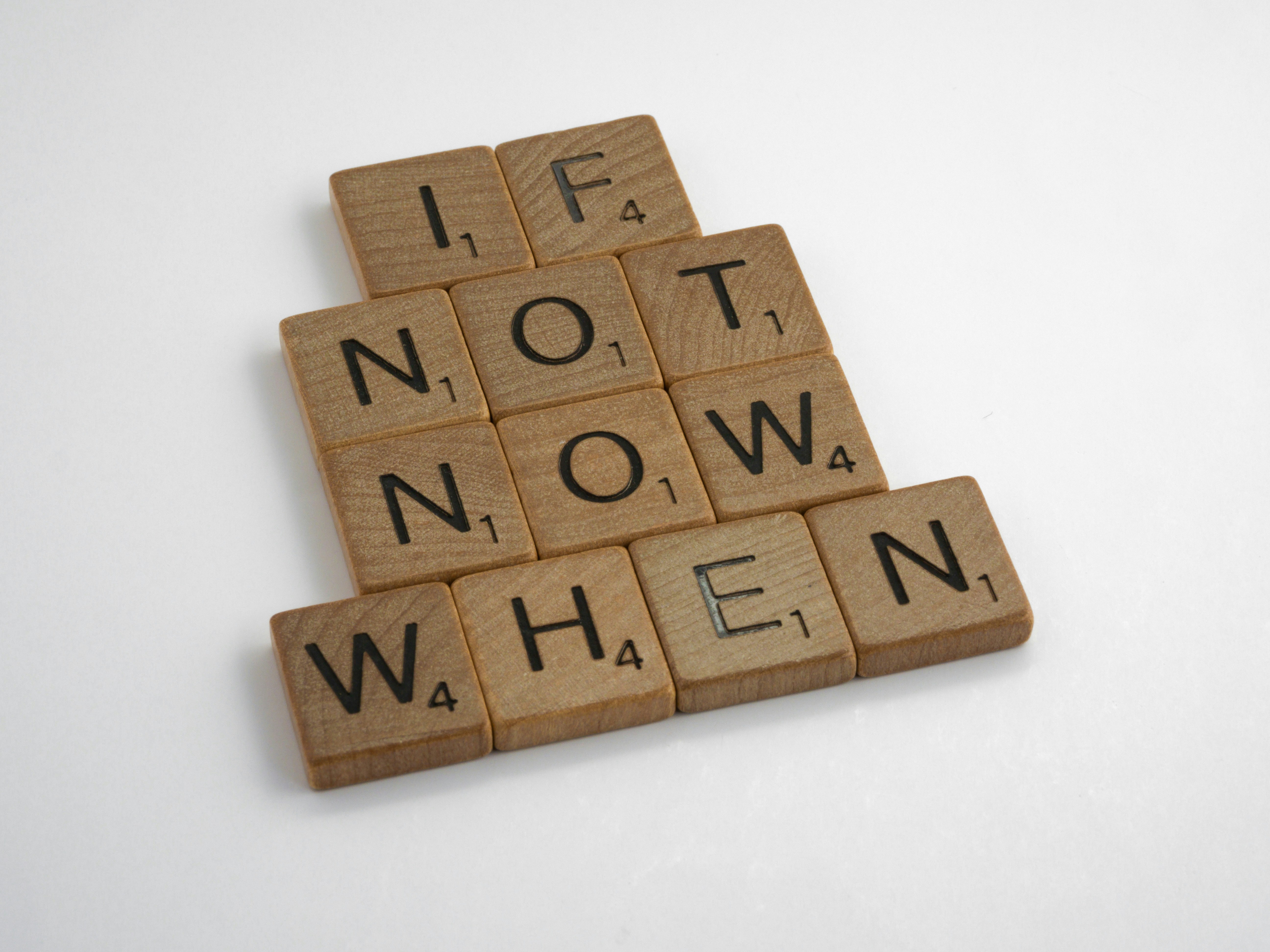
The formula is deceptively simple: "If [SITUATION], then I will [ACTION]."
Why If-Then Plans Work So Well
Traditional goal setting focuses on outcomes: "I want to exercise more" or "I will eat healthier." These are what Gollwitzer calls "goal intentions"—they specify what you want to achieve but not how you'll actually do it.
Implementation intentions work differently. Research published in the American Psychologist found that if-then planning "delegates control of goal-directed responses to anticipated situational cues." In simpler terms: you're programming your brain to act automatically when specific conditions are met.
Instead of relying on remembering or motivation in the moment, you've already decided what you'll do. When the situation arrives, your brain executes the planned response without requiring conscious deliberation. Action becomes "swift, efficient, and does not require conscious intent," as Gollwitzer describes it.
This connects directly to why reducing decision fatigue is so critical—if-then plans remove the need to decide in moments when your willpower is depleted.
The Meta-Analysis That Proved It
In 2006, Gollwitzer and researcher Paschal Sheeran conducted a comprehensive meta-analysis of 94 independent studies involving over 8,000 participants. They found that implementation intentions had medium-to-large positive effects on goal attainment across virtually every domain studied—health, academics, consumer behavior, environmental actions, and more.
The beauty of if-then planning is its versatility. It works for:
Getting started: "If it's 7 AM, then I will put on my running shoes"
Staying on track: "If I feel like skipping my workout, then I will do just 2 minutes"
Breaking bad habits: "If I reach for my phone at dinner, then I will put it in another room"
Shielding goals from disruption: "If someone offers me dessert, then I will ask for herbal tea instead"
Breaking Habits With If-Then Plans
One of the most powerful applications of implementation intentions is habit replacement. Research published in Personality and Social Psychology Bulletin by Adriaanse, Gollwitzer, and colleagues found that if-then plans can override even deeply ingrained automatic behaviors.
The key is specificity. You can't just say "I won't eat junk food." You need: "If I want a snack at 3 PM, then I will eat an apple from the bowl on my desk."
This works because habits are situation-dependent. Your brain has learned: "When X happens, do Y." If-then planning creates a competing association: "When X happens, do Z instead." With repetition, the new response becomes just as automatic as the old one.
This principle enhances what we discussed about building habits through environmental design—you're essentially programming environmental triggers to cue different responses.
How to Create Effective If-Then Plans
The research reveals specific characteristics that make if-then plans work:
Be highly specific about the situation. Not "when I have free time" but "when I close my laptop at 6 PM." The more concrete the cue, the stronger the mental link your brain creates.
Make the action simple and clear. Not "exercise" but "do 10 push-ups." Vague actions fail because your brain doesn't know exactly what to execute.
Identify your actual obstacles. The best if-then plans address real barriers you've faced before. If you typically skip meditation because you "forget," create: "If I pour my morning coffee, then I will sit and take 3 conscious breaths."
Plan for multiple scenarios. Life is unpredictable. Create backup plans: "If my morning meeting runs late, then I will meditate during lunch" or "If the gym is closed, then I will do a bodyweight workout at home."
Research by Durmonski analyzing implementation intentions emphasizes that modern life requires flexible planning. A single if-then isn't enough—you need a repertoire of responses for different situations.
Tracking Your If-Then Success
Implementation intentions work best when combined with tracking. When you specify "If it's 9 PM, then I will mark my habits in Kabit," you're creating an if-then plan for the tracking itself. This compounds the benefit—the plan ensures the behavior happens, and the tracking provides immediate feedback that reinforces it.
Download Kabit and pair it with if-then planning. Every streak you build represents hundreds of small if-then moments where your brain executed your plan automatically. You're not just tracking habits—you're making your implementation intentions visible.
The Bottom Line
The gap between wanting to do something and actually doing it isn't about lacking motivation. It's about lacking a specific plan for when and how you'll act.
If-then planning solves this by creating automatic trigger-response patterns. You decide once—when you form the plan—instead of deciding every single time the situation arises. This is how you turn good intentions into consistent action.
Start with one habit. Identify the situation that will trigger it. Decide exactly what you'll do. Format it as: "If [SITUATION], then I will [ACTION]."
Then let your brain handle the rest.
Ready to turn your intentions into automatic actions? Download Kabit to track your if-then habits and watch your consistency build as your plans execute automatically.

Learn more
Discover more from the latest posts.