
Morning Habits Form 43% Faster: Why 7-9 AM Is Brain's Prime Time for Automation
You've tried building habits in the evening, Meditation before bed, Journaling after dinner, Exercise when you get home from work, But life keeps interfering—meetings run late, social obligations appear, energy depletes. The habit never solidifies.
Meanwhile, your friend meditates every morning at 7 AM without fail. The behavior seems effortless for them. What they understand—and research now confirms—is that morning habits form faster, stick longer, and require less willpower than behaviors attempted later in the day.
The 7-9 AM Automaticity Window
Research examining time-of-day differences in habit strength found that individuals showed their greatest number of habitual actions occurring in the morning versus evening, with an average spike in habitual behavior between 7 and 9 AM. This isn't about discipline—it's about biology.
A 2025 study of 300 executives found those completing key habits before 9 AM reported 43% higher productivity and 37% better stress management than those with evening routines. Morning habits formed 43% faster than equivalent evening behaviors.
The mechanism is straightforward: morning schedules are more stable. You wake at roughly the same time. Morning routines follow predictable sequences—bathroom, coffee, breakfast. Evening schedules vary wildly based on work demands, social events, and accumulated fatigue from the day.
Studies found that action-plan enactment was highest in the morning and decreased throughout the day. Behavioral routines are simply more stable in the morning, providing the consistent context habits need to automate.
The Evening Habit Handicap
A 90-day study tracking morning versus evening stretching habits projected that morning habits would achieve automaticity after an average of 105 days, while evening habits required 154 days—nearly 50% longer. The evening group faced higher variability in timing, more competing demands, and lower cognitive resources after a full day.
Research on medication adherence found significantly greater missed doses for evening pills compared to morning pills, along with greater variability in timing. Even when people intended to take evening medication, the behavior failed more often simply because evening contexts are less stable and predictable.
This doesn't mean evening habits are impossible. But they require more conscious effort for longer periods before automaticity develops. If you have limited time and energy for habit formation, morning offers the highest probability of success.
The Cortisol Advantage
Research on morning routine neuroscience shows cortisol naturally peaks 30-45 minutes after waking, creating an optimal window for cognitive tasks. This hormonal surge provides mental clarity and motivation precisely when you're trying to execute new behaviors requiring conscious effort.
Studies in neuroplasticity found morning habits create stronger neural pathways due to reduced cognitive interference during early hours. Your brain hasn't yet accumulated the decision fatigue, interruptions, and competing priorities that plague later hours.
Additionally, morning sunlight exposure regulates circadian rhythm, leading to 44% better sleep quality—which compounds the morning advantage by ensuring you wake refreshed and ready to execute habits consistently.
This connects to why routine cues work better than time cues for most people. Morning routines provide multiple stable cues that evening schedules simply can't match.
Matching Time to Chronotype
Research on diurnal preference and habit formation tested whether matching behavior timing to chronotype (morning person vs evening person) improved results. For complex behaviors like exercise, matching timing to preference worked—morning types succeeded with morning exercise, evening types with evening exercise.
But for simple behaviors like taking supplements, morning timing worked best for everyone regardless of chronotype. Simple habits benefit from morning stability even if you're naturally an evening person.
The implication: if you're an evening type building complex habits that require significant cognitive resources, evening timing might work. But for most habits—meditation, reading, journaling, basic exercise—morning provides advantages even for night owls. The stability compensates for the chronotype mismatch.
Building Your Morning Advantage
Studies emphasize that 78% of successful habit-formers complete key habits before 9 AM. Here's how to leverage morning timing:
Start extremely small. Morning works because you can maintain consistency even on difficult days. Two push-ups survive rushed mornings. Thirty-minute workouts don't. The small version keeps the neural pathway active during the critical formation period.
Stack onto existing morning routines. After coffee, after showering, after breakfast—these anchors are rock-solid because morning sequences are stable. Habit stacking leverages this stability.
Prepare the night before. Research shows 92% of successful morning routines begin with evening preparation. Lay out workout clothes. Place your journal by your coffee maker. Remove friction before morning arrives.
Track immediately. Open Kabit right after completing your morning habit. The immediate feedback loop strengthens the cue-response pattern during peak formation hours.
Protect the window ruthlessly. Morning habits work because nothing interrupts 7 AM. Don't schedule early meetings during your habit window. Don't check email before completing your routine. Guard this time like you guard sleep.
The Compound Effect
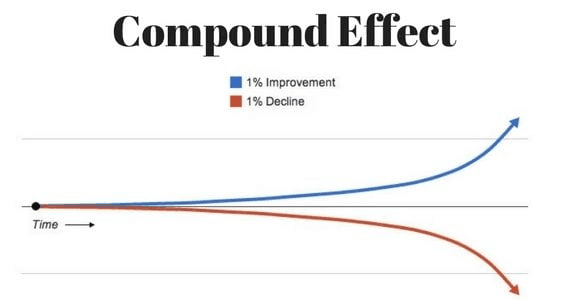
Morning habits don't just form faster—they compound advantages throughout your day. Research shows morning exercisers report better stress management and higher productivity. They're not just building one habit—they're optimizing their entire day by front-loading positive behaviors.
The stability, the hormonal advantage, the reduced interference—morning provides every possible edge for habit automation. Fight against biology by choosing evening, or work with it by choosing morning.
Your habits don't fail because you lack commitment. They fail because you're trying to build them during hours when success rates plummet. Seven to nine AM isn't just a time slot. It's your brain's prime window for permanent behavior change.
Ready to build habits during your brain's prime time? Download Kabit to track morning routines and leverage the 7-9 AM window for faster, stronger habit formation.

Learn more
Discover more from the latest posts.