What Is a Habit Tracker App — And Do You Actually Need One?
Two years ago a friend asked me what Kabit does. I said "it's a habit tracker app" and watched her nod politely in the way people do when they don't want to admit they don't know what something means.
I didn't explain it well. So let me do that properly here.
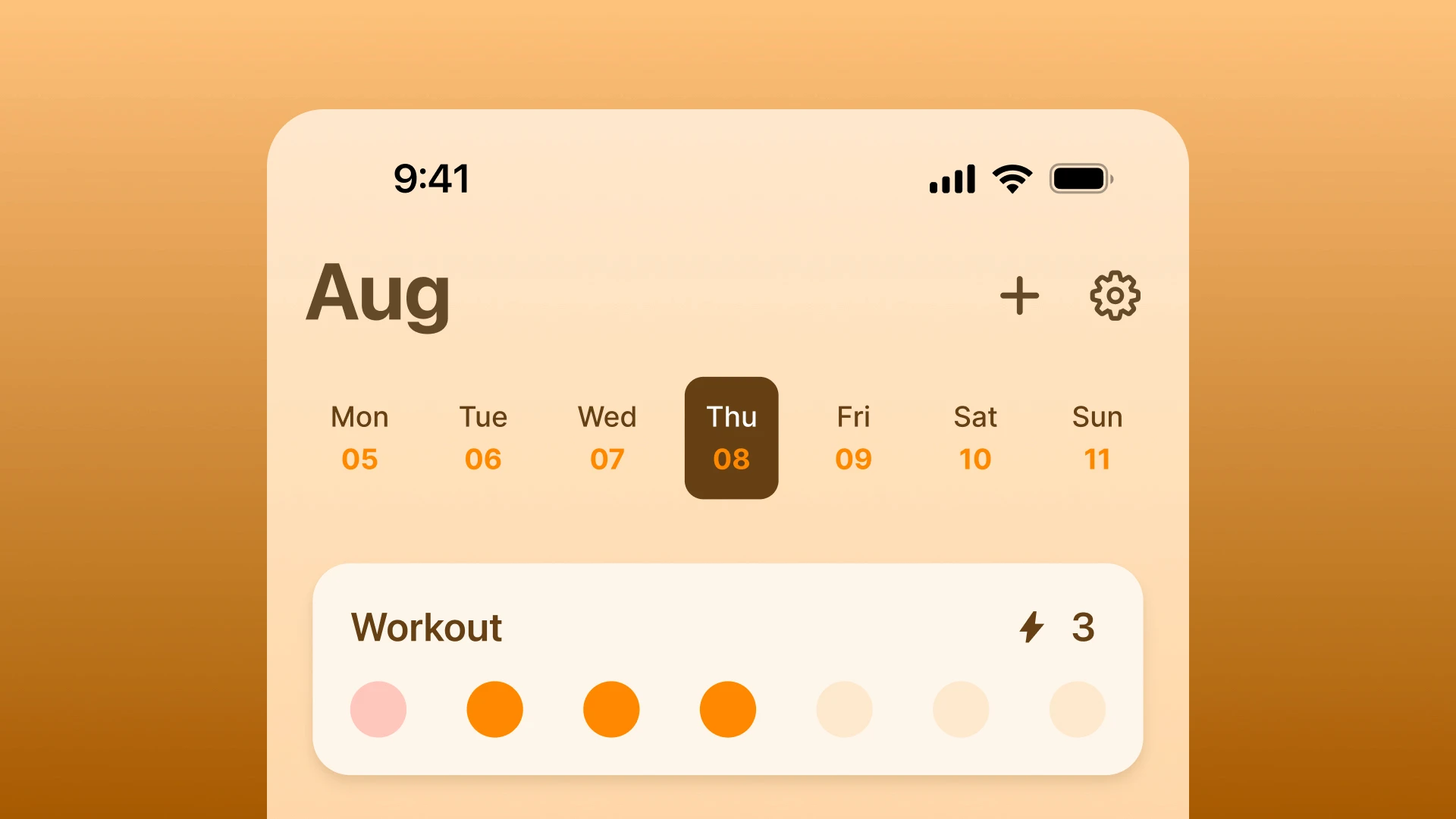
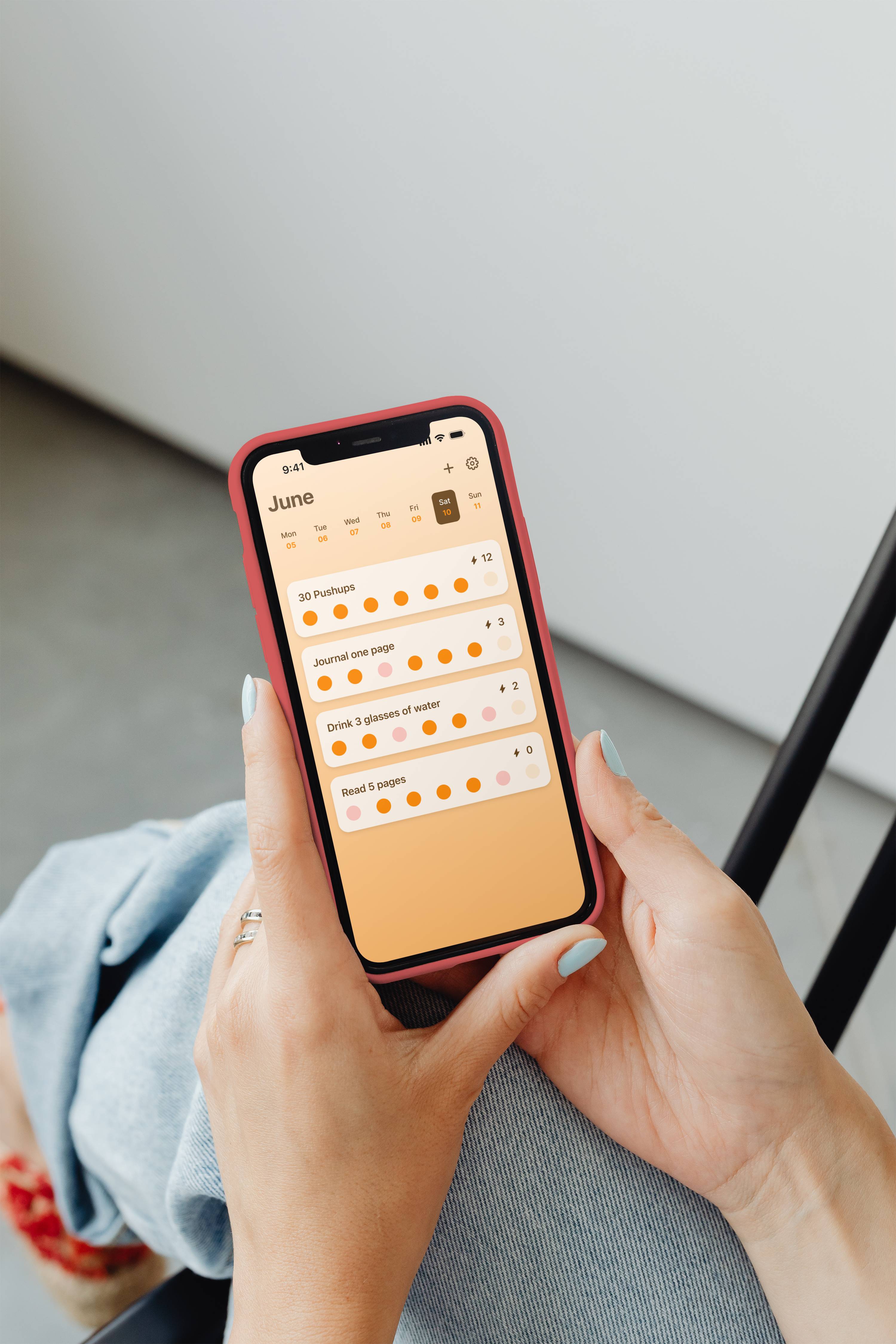
A habit tracker app is software that records whether you did something you intended to do. That's genuinely all it is. You choose a behavior — drink water, exercise, read, meditate — and each day you mark it done or not done. The app keeps a record. Over time, that record becomes something useful.
Simple concept. But the reason it works is more interesting than the definition — and understanding the why is what separates people who use habit trackers effectively from people who download them, use them for nine days, and delete them.
What a Habit Tracker App Actually Does (Neurologically)
The surface-level function is record-keeping. The deeper function is something behavioral scientists call a feedback loop.
One of the most replicated findings in behavioral science is that self-monitoring itself drives change — simply tracking a behavior makes people more likely to stick with it. ADDA A meta-analysis of over 19,000 participants found that monitoring goal progress significantly increased goal attainment. The act of recording is not just administrative. It is itself a behavior change intervention.
Here's why. When you open a habit tracker and mark a behavior complete, two things happen neurologically. First, checkmarks trigger dopamine rewards that reinforce habit loops and boost consistency. ADDA The small hit of satisfaction from checking something off is not trivial — it's the brain's reward system confirming that the behavior was worth doing. Second, habit trackers reduce cognitive load by offloading intentions from working memory. ADDA Instead of holding "I need to remember to exercise today" in your head all day, the app holds it for you. Your mental bandwidth goes to doing the habit, not remembering it.
The combination of external memory + dopamine reward + visible progress record is why tracking works even when motivation doesn't.
What a Habit Tracker App Is Not
This matters as much as the definition.
A habit tracker is not an accountability system that works regardless of how you use it. Installing a habit tracking app often becomes a form of wishful thinking rather than a productive strategy to build better habits. American Psychiatric Association Downloading an app and setting up twelve habits does not build twelve habits. The app is a tool. The tool only works if the setup is right.
A habit tracker is also not a substitute for the habit itself. This sounds obvious, but it's the failure mode behind most abandoned tracking streaks: people spend so much time designing their tracking system — choosing apps, color-coding categories, building spreadsheets — that the system becomes the activity. Researchers have warned that many habit tracking apps are too rigid to support diverse practical and emotional needs, and that more flexible, customisable self-tracking apps are required. American Psychiatric Association The point of the app is to make the behavior easier to sustain — not to become a new behavior in itself.
And finally, a habit tracker is not a magic streak counter that works through fear. One problem researchers found with habit trackers is that they can create "habit dependency" — you stick to the habit because of artificial support like reminders and streak notifications, which tie the behavior to in-app triggers rather than genuine automaticity. American Psychiatric Association The goal of using a tracker is eventually to not need it — to reach automaticity where the behavior fires on its own. A well-designed tracker helps you get there. A poorly designed one keeps you dependent on it.
The Three Things a Good Habit Tracker App Does
Not all habit trackers are equal. Here's what separates the ones that actually help from the ones that add friction without value.
It reduces the cost of showing up. The check-in should take under thirty seconds. If opening the app, navigating to your habits, and logging completion requires more effort than the habit itself on a hard day, the tracker is creating resistance rather than removing it. Minimal friction at check-in is the single most important design quality in a habit tracker.
It makes progress visible without demanding perfection. Habits that become automatic are more resilient to motivational impairments — the visual record of consistency is what sustains behavior through the periods when motivation has dipped but automaticity hasn't arrived yet. ADDA A streak counter, completion calendar, or weekly summary gives you evidence that the process is working during the weeks when it doesn't feel like it is. But the tracker should show your history honestly — including the misses — rather than erasing them or making them feel catastrophic.
It reminds you at the right moment. Research found that event-based cues — reminders tied to something you do rather than a specific time — led to increased automaticity compared to time-based reminders alone. arXiv A notification that fires at 9 AM every day becomes invisible within a week. A reminder you've set to trigger when you sit down at your desk, or after your morning coffee, acts as a genuine contextual cue — the kind that actually wires new behaviors into existing routines.
Do You Actually Need One?
Honest answer: it depends on what you're trying to build and how you're wired.
If you're trying to build one or two simple behaviors and you have strong existing structure in your day — consistent wake time, predictable routine, natural context cues — you might not need a dedicated app. A paper checklist, a sticky note on the bathroom mirror, or a simple tally in a notebook can work perfectly well for simple behaviors in stable contexts.
If you're trying to build multiple behaviors, or behaviors that require sustained consistency over months, or if your schedule is irregular and you rely on external prompting to remember things — a dedicated habit tracker app adds real value. The combination of reminders, streak tracking, and visual progress record does things a sticky note cannot.
The honest caveat is this: the best habit tracker is the one you'll actually open on your worst day. Habit tracking works by leveraging feedback loops, identity cues, lowered cognitive load, and small consistent rewards — but only when the tracking itself is simple enough to sustain through the same plateau phase that makes the habits themselves hard. ADDA An app with more features than you'll use is worse than a simpler one you'll actually use consistently.
For most people starting out, the right move is to begin with one habit, one tracking method, and the minimum viable system. Build the meta-habit of tracking first. Then add complexity if you need it — but only if you need it.
How Habit Tracker Apps Fit Into the Bigger Picture
A habit tracker is one piece of a larger system, not the whole system.
The science behind how habits actually form — the cue-routine-reward loop, the role of context, the 66-day average formation timeline — is what determines whether any tracking system works long-term. The app supports the process. It doesn't replace understanding the process.
If you're new to habit tracking and want to understand the full framework before choosing a tool, the definitive guide to habit tracking covers the complete science in one place. If you're ready to start and want a step-by-step setup, the beginner's guide to habit tracking walks through exactly how to set up your first habit correctly.
And if you want to try a tracker built around the principles above — minimal friction, flexible reminders, honest streak tracking — kabitapp.com is where most people I know start. The free habit tracker app is free to download and designed to get out of the way while you do the actual work of building habits.
🎯 Key Takeaways
A habit tracker app records whether you completed an intended behavior — its power comes from three neurological mechanisms: self-monitoring drives change, checkmarks trigger dopamine rewards, and external logging reduces cognitive load
The three qualities that separate effective trackers from ineffective ones: minimal check-in friction, visible progress without demanding perfection, and event-based reminders tied to existing behaviors
You don't need a habit tracker to build habits — but if you're building multiple behaviors over months in an irregular schedule, a good one meaningfully improves your odds of reaching automaticity

Learn more
Discover more from the latest posts.